Ultimate Guide to Restoring Sun-Baked Concrete Surfaces
Townsville's tropical climate is tough on concrete. With more than 300 days of sunshine a year, intense ultraviolet radiation, high humidity, summer storms and salt-laden air near the coast, driveways, patios, pool surrounds and paths can lose their appearance and structural performance faster than many homeowners expect. The good news is that most sun-baked concrete can be restored without full replacement, provided the damage is assessed properly and the right methods are used. This guide explains what causes the damage, how to evaluate it, and how to restore and protect concrete in North Queensland conditions.
Why Concrete Deteriorates in Townsville's Climate
Concrete is durable, but it is not immune to environmental stress. Several local factors combine to age surfaces prematurely.
UV Exposure and Surface Fading
Constant ultraviolet exposure breaks down the pigments in coloured concrete and degrades sealers and coatings. Over time, a once-rich charcoal or terracotta finish becomes chalky and washed out. Unsealed grey concrete may look bleached, with a rough, dusty surface where the cement paste is wearing away.
Thermal Expansion and Contraction
Concrete slabs can reach very high surface temperatures on summer afternoons, then cool rapidly during a sudden downpour. This repeated expansion and contraction creates stress, leading to hairline cracks, scaling and joint failure, especially where slabs were poured without adequate control joints.
Moisture, Mould and Salt
High humidity and the wet season encourage mould, algae and mildew, particularly in shaded areas. Near the Strand, Pallarenda, Magnetic Island and other coastal pockets, airborne salt can penetrate https://pressurewashingtownsville.com.au/driveway-cleaning/ porous concrete and corrode steel reinforcement, causing spalling (flaking or chipping of the surface) and rust staining.
Cyclone-Season Debris and Heavy Rain
Intense rainfall can erode weakened surfaces and wash soil and organic matter onto slabs, causing staining. Tannin from leaf litter and mango or palm debris can leave persistent dark marks if not cleaned promptly.
Assessing the Damage Before You Start
Before choosing a restoration method, walk the entire surface and identify the type and severity of the problem. Restoration works best when matched to the actual condition of the slab.
- Surface fading and chalking: Rub your hand across the concrete. If colour or powder comes off, the sealer has failed and the surface needs cleaning and resealing.
- Hairline cracks: Cracks narrower than about 3 mm are usually cosmetic and can be filled with flexible sealants.
- Wider or uneven cracks: Cracks where one side sits higher than the other may indicate subsidence or soil movement and should be assessed by a professional.
- Spalling and pitting: Flaking, crumbling or exposed aggregate suggests surface erosion that needs patching or resurfacing.
- Rust stains or bulging: These can signal corroding reinforcement, which needs proper repair rather than a cosmetic fix.
- Mould and oil stains: These are generally treatable with targeted cleaning products.
Step-by-Step Concrete Restoration Process
The exact process varies with the condition of the slab, but most restoration projects follow a similar sequence. Skipping preparation is the most common reason coatings and sealers fail early.
- Clear and protect the area. Remove furniture, pots and debris. Cover nearby plants, garden beds and painted walls to protect them from cleaning chemicals and overspray.
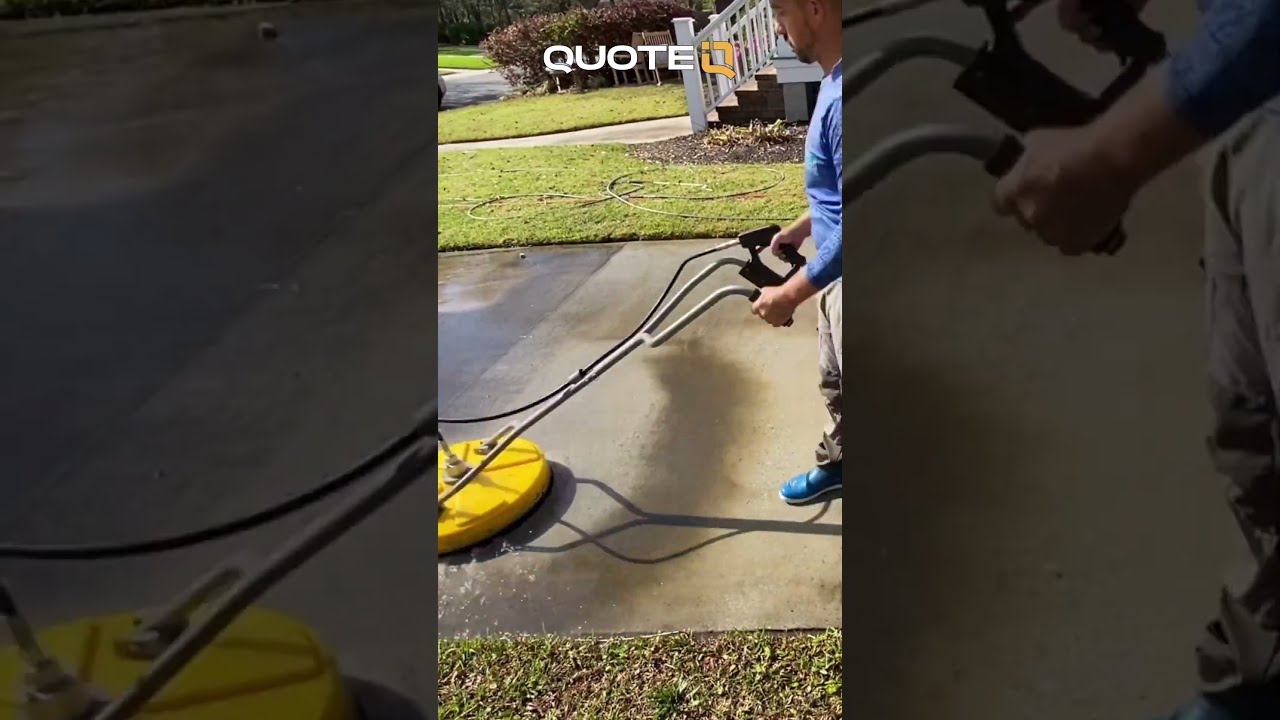
- Clean thoroughly. Use a high-pressure cleaner, ideally with a surface cleaner attachment for an even result. Apply a suitable detergent or mould treatment first, allowing it to dwell before rinsing. Avoid excessive pressure, which can etch the surface and leave tiger-stripe marks.
- Treat stains. Use a degreaser for oil and grease, a rust remover for iron stains, and an appropriate mould treatment for organic growth. Always follow product instructions and wear protective gear.
- Repair cracks and damage. Fill hairline cracks with a flexible, UV-stable polyurethane sealant. Use a polymer-modified repair mortar for spalled or pitted areas, and grind high edges to create a level surface.
- Strip old coatings if required. Peeling or failing sealers should be removed with a suitable stripper or by mechanical grinding so the new product can bond properly.
- Allow the slab to dry completely. In humid conditions, drying can take longer than expected. Trapped moisture can cause cloudy or bubbling sealers.
- Apply the new finish. Depending on the goal, this might be a penetrating sealer, a film-forming acrylic or polyurethane sealer, a colour-tinted coating, or a resurfacing overlay.
- Cure and protect. Keep foot traffic and vehicles off the surface for the period recommended by the manufacturer, and avoid applying coatings if rain is forecast.
Choosing the Right Restoration Option
Pressure Cleaning and Resealing
For concrete that is structurally sound but dull, stained or faded, a deep clean and fresh sealer is often enough to restore its appearance and add protection. This is the most economical option and suits many driveways and paths.
Concrete Resurfacing and Overlays
When the surface is worn, patchy or slightly scaled, a polymer-modified resurfacing layer can create a uniform new finish. Overlays can be coloured, textured or stamped, and they bond to the existing slab when it is properly prepared. They are a practical way to refresh an outdoor entertaining area without the cost and disruption of demolition.
Coloured Coatings and Stains
Concrete stains and tinted coatings can revive faded colour. Choose products rated for exterior and UV exposure, and consider slip-resistant additives for pool surrounds and patios, which become slippery when wet.
Grinding and Polishing
For carports, garages and some covered outdoor areas, grinding and sealing can produce a clean, durable finish. This is less common for fully exposed surfaces, where slip resistance and heat reflection are bigger concerns.
When Replacement Is the Better Option
If a slab has widespread structural cracking, significant subsidence, extensive reinforcement corrosion or drainage problems that cause ongoing movement, restoration may only be a temporary fix. In these cases, partial or full replacement can be more cost-effective in the long run.
Sealer Selection for Tropical Conditions
Choosing the right sealer is one of the most important decisions in a restoration project.
- Penetrating sealers (silane or siloxane): These soak into the concrete and repel water and salt without changing its appearance much. They are breathable and suit coastal properties and natural-look surfaces.
- Acrylic sealers: Affordable and available in matte, satin or gloss, they enhance colour but typically need reapplication every two to three years in strong sun.
- Polyurethane and epoxy-based sealers: These offer higher durability and chemical resistance, though some epoxies can yellow under UV and are better suited to covered areas.
- Slip-resistant additives: These are important for pool areas, ramps and steps, where safety is a priority.
Always check that the product is rated for exterior use in high-UV environments, and ask about its heat resistance. Lighter-coloured finishes can also reduce surface temperature, which makes pool decks and patios more comfortable underfoot.

Timing Your Restoration in North Queensland
In Townsville, the dry season, roughly from May to October, is generally the best time for concrete restoration. Lower humidity and more predictable weather help cleaning, patching and sealing products cure properly. During the wet season, high moisture levels and sudden storms can interfere with application and lead to blushing, bubbling or poor adhesion. Early morning or late afternoon application is advisable in hot weather, since applying sealer to a very hot slab can cause it to dry too quickly and leave streaks or bubbles.
Preventing Future Damage
Once your concrete has been restored, regular care helps it last longer and keeps maintenance costs down.
Clean Regularly
Sweep surfaces often and rinse off salt, leaf litter and dirt. A gentle wash with mild detergent every few months prevents mould and organic staining from building up, particularly in shaded or damp areas.
Reseal on Schedule
Reapply sealer when water no longer beads on the surface. A simple test is to sprinkle water on the concrete: if it soaks in quickly and darkens the surface, protection is wearing thin. Depending on the product and exposure, this may be every two to five years.
Manage Drainage
Make sure water drains away from slabs and does not pool in low spots. Check downpipes, stormwater connections and garden beds that may direct water under the concrete, as saturated soil can contribute to cracking and movement.
Maintain Control Joints
Inspect expansion and control joints annually and replace any hardened or cracked sealant. Properly maintained joints allow the slab to move without cracking elsewhere.
Limit Harsh Chemicals
Avoid strong acids unless specifically recommended for the task, as they can etch the surface and damage surrounding plants. Clean up oil, fuel and chemical spills promptly to prevent deep staining.
DIY or Professional Restoration?
Many homeowners can handle basic pressure cleaning and resealing on small areas, provided they prepare carefully and follow product instructions. However, professional help is worth considering for larger driveways, decorative overlays, structural cracks, spalling concrete, or any work involving heights, steps or pool surrounds. Experienced contractors have commercial-grade equipment, understand how local weather affects curing, and can match products to the slab's condition. If you are hiring someone, ask for a clear written quote that outlines surface preparation, products used, number of coats and any warranty offered. Check that the contractor holds the appropriate licences and insurance for the work being carried out in Queensland.
Safety and Environmental Considerations
Wear eye protection, gloves and non-slip footwear when cleaning and sealing concrete, and make sure there is adequate ventilation when working in garages or enclosed spaces. Wastewater from pressure cleaning can carry detergents, oils and sediment, so avoid letting it run into stormwater drains and local waterways such as Ross River and Cleveland Bay. Collect or divert runoff onto lawn or garden areas where suitable, and choose low-VOC, water-based products where possible. In 2026, many suppliers offer improved water-based sealers and eco-conscious cleaning products that deliver strong performance with a lower environmental impact.
Final Thoughts
Sun-baked concrete does not have to mean a tired, cracked outdoor space. By understanding how Townsville's heat, humidity and coastal conditions affect concrete, assessing the damage carefully and choosing suitable repair and sealing products, you can bring surfaces back to life and extend their lifespan significantly. Plan restoration for the dry season, invest in thorough preparation, and commit to regular maintenance. Whether you take on a small project yourself or engage a local professional for a larger job, a well-restored slab improves the look, safety and value of your property for years to come, and positions your outdoor areas to handle the demands of 2027 and beyond.
Pressure Washing Townsville
(07) 4801 0339